
Making friends online means building genuine connections through digital platforms by engaging in shared-interest communities, practicing consistent communication, and gradually increasing trust through progressive disclosure — from text chat, to voice, to video. This guide covers 8 proven methods to do exactly that.
Making friends online as an adult has become one of the most practical solutions to modern loneliness. You wake up, go to work, come home, and realize your social circle has slowly shrunk over the years. People move away. Schedules get complicated. The spontaneous interactions you had in school or college disappear. Many people feel a quiet sense of isolation creeping in — they want genuine connection but lack the energy or local environment to find it. The internet fills that gap effectively.
How to Make Friends Online: The Framework
Here are the eight methods this guide covers in depth:
- Choose a niche platform aligned with your specific interests
- Observe the community before joining the conversation
- Craft a first message with a real conversational hook
- Show up consistently (the digital propinquity effect)
- Be genuine — share flaws, not just highlights
- Move to direct messages at the right moment
- Protect your information using progressive disclosure
- Meet safely when the friendship is ready for the real world
Building connections online used to carry a strange stigma. People assumed digital friendships were somehow less authentic than physical ones. That perception has shifted. The internet is a massive public square — like a coffee shop or a neighborhood club, it is a space for people to gather. The key difference is scale. You have access to people who share your specific hobbies, your sense of humor, and your odd hours. If you work night shifts and want to talk at three in the morning, someone across the world is awake and ready.
Online relationships need the same foundational ingredients as physical ones: shared interests, repeated exposure, mutual effort, and genuine vulnerability. The medium is different. The core human psychology is identical.
Why Online Friendships Feel Different (And Often Deeper)
Physical friendships are usually built on proximity. You become friends with the person who sits next to your desk or lives down the hall — not because you chose them, but because they were convenient. Online friendships reverse that dynamic. You interact with people specifically because you enjoy their personality and share their interests.
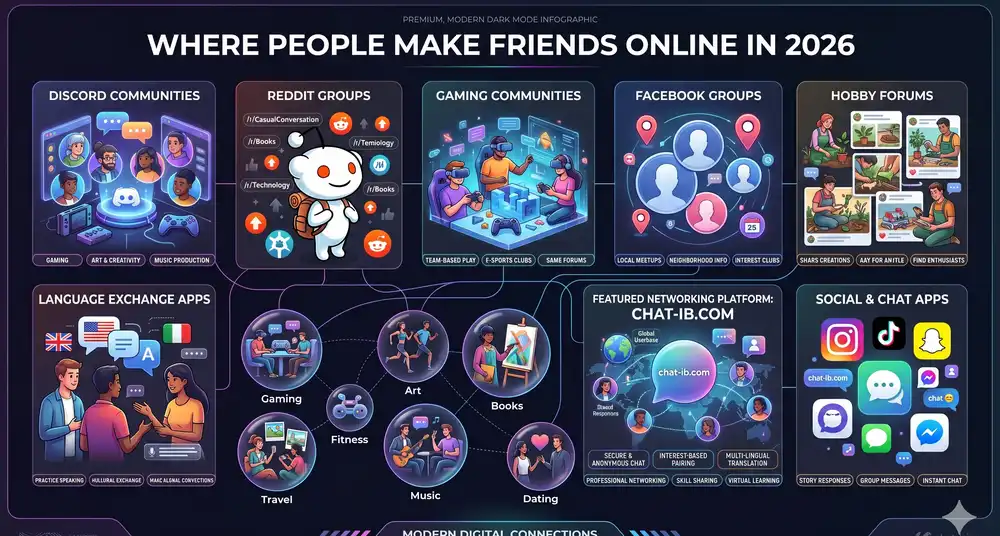
Shared Interests Over Shared Geography
When you meet someone in a forum dedicated to restoring vintage film cameras or a server focused on speedrunning a video game, you already have a real commonality. You skip small talk about local weather and jump into discussions about things you care about. This shared passion accelerates the bonding process. You find your specific tribe rather than settling for whoever happens to live nearby.
The Equalizing Power of Text Communication
In the real world, people make snap judgments based on appearance within the first few seconds of meeting. Online text communication strips that superficial layer away. People judge you on your words, your humor, and your kindness. This creates a level playing field for people who feel anxious about their appearance in traditional social settings — including many with social anxiety disorder. You get to present your mind first.
Anthropologist Robin Dunbar proposed that humans can maintain roughly 150 stable social relationships at once — what researchers call Dunbar's Number. Online communities help people fill that social capacity even when geography, disability, or circumstance limits local options. A Pew Research Center study found that a significant share of adults have formed a meaningful friendship that started online.
Where to Make Friends Online: The Best Platforms
Finding the right environment shapes your success. Not all platforms foster deep connections. Massive public platforms feel chaotic — if you post a comment on a viral video, you are shouting into a void. To find actual friends, seek out smaller, focused communities built around shared interests.
Quick Platform Comparison
| Platform | Best For | Format | Age Group |
|---|---|---|---|
| Niche hobbies and interests | Text threads | 18+ | |
| Discord | Gaming, communities, voice chat | Text + Voice + Video | 16+ |
| Bumble BFF | Local platonic friendships | Swipe-based app | 18+ |
| Meetup | Local group events and activities | Event platform | 18+ |
| Chatib | Anonymous text chat with strangers | Chat rooms | 18+ |
| Twitch / YouTube Live | Shared live experiences, fan communities | Live streaming + chat | 13+ |
| VRChat | Immersive social and gaming | VR worlds | 13+ |
Want to practice right now? Chatib offers free, anonymous chat rooms — no sign-up needed. It is a low-pressure environment to test your conversational hooks with real people.
Interest-Based Forums and Communities
Reddit and specialized forums are solid starting points. If you love a specific video game, a niche music genre, or an unusual craft, there is a dedicated community for it. These focused spaces give you an instant conversation starter — you already know what everyone cares about. Ask a specific question about the hobby, share a recent project, or offer advice to a beginner. These targeted interactions build a foundation of shared value fast.
Friendship Apps (Bumble BFF, Meetup)
Apps built for platonic connection remove the guesswork. Bumble BFF works like a friend-finding app where you connect with people in your area who are looking for the same thing. Meetup organizes local group events around interests like hiking, coding, or board games. These platforms work because every person using them has the explicit goal of meeting new people — there is no ambiguity about intent.
Voice Servers and Discord Communities
Hearing someone speak adds a layer of humanity that text alone cannot replicate. You catch tone, laughter, and hesitation. It feels more intimate. Joining a small Discord voice channel might feel uncomfortable at first. Sitting in silence for a few minutes while listening to the conversation flow is normal — it helps you understand the group dynamic. When you feel ready, a brief comment is all it takes to become part of the room.
Cooperative Gaming Communities
Gaming communities naturally foster cooperation and fast bonding. When you play a cooperative game like Minecraft or Stardew Valley with someone, you work toward a shared goal, communicate in real time, and celebrate wins together. Games like Phasmophobia or any co-op survival title create memorable shared experiences that give friendships a strong foundation. The gameplay fills any conversational silence naturally.
Moving Beyond Legacy Platforms
As digital communication evolves, users are seeking modern, safer Omegle alternatives with better moderation, clearer community guidelines, and text-based chat rooms. Environments that prioritize user safety over pure anonymity are far better for building lasting digital friendships.
The Art of the First Message (Stop Saying Hi)
A simple greeting almost always fails to start a real conversation. If you message someone just saying "hey," you place the entire burden of the exchange on their shoulders. They have to figure out what to discuss. Most people will ignore that message because it takes too much effort to respond to nothing.
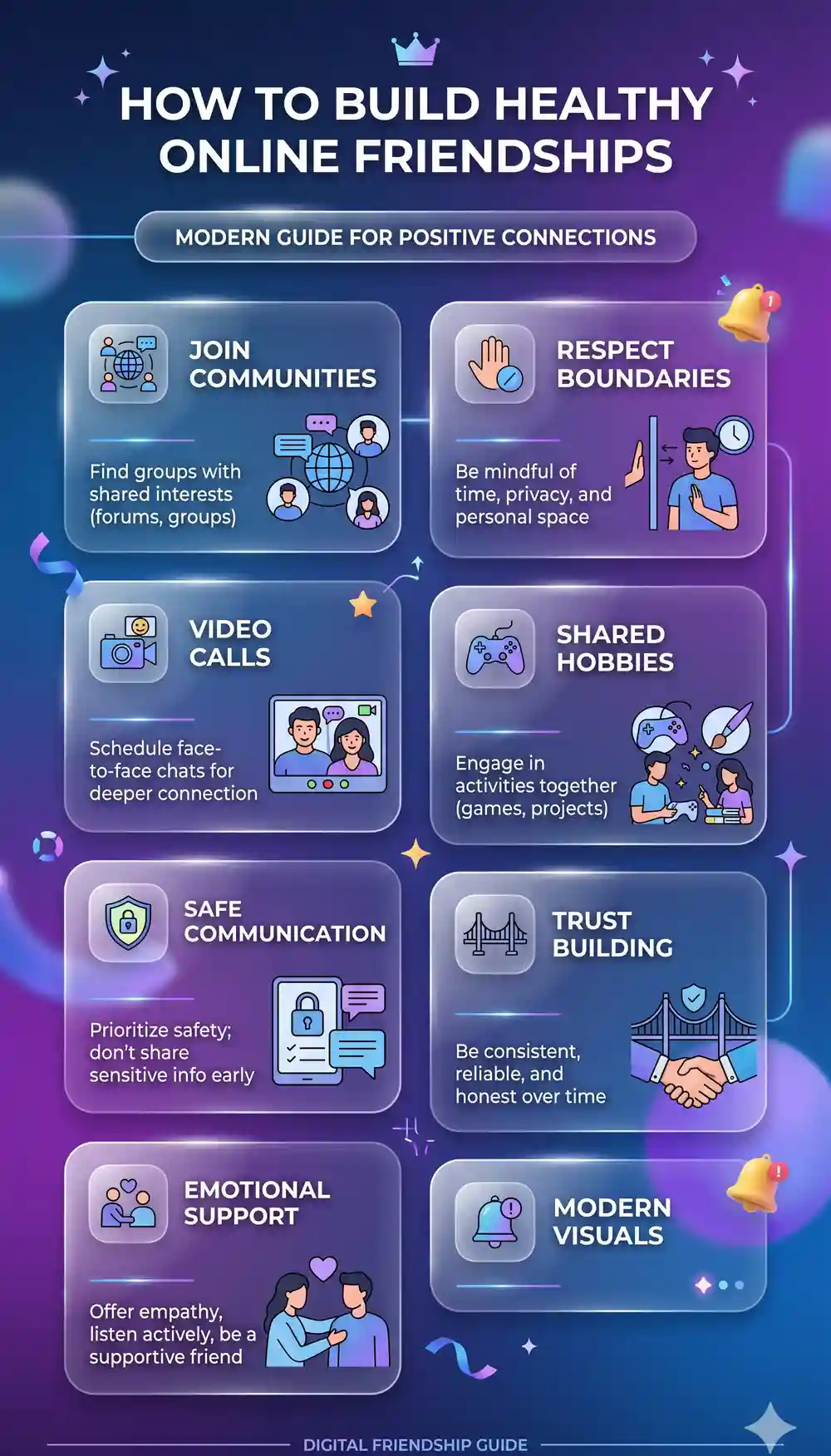
Providing Conversational Hooks
Give the other person something real to engage with. Reference something they said in the public chat. If they mentioned struggling with a game level, ask what strategy they are trying. If they posted a photo of their indoor garden, ask what soil mix they use. Open questions require more than a yes or no answer — they invite the person to share their thoughts. People love discussing their passions. Genuine curiosity about what someone cares about is the most effective opener you have.
Weak first message: "Hey
:)"
Strong first message: "I saw you mentioned Hollow Knight. How far did you
get? I just hit the Mantis Lords and they wrecked me."
The second one gives the other person an
instant, easy reply.
Reading the Room and Group Culture
Pay attention to how the community interacts before you join in. Every group has its own culture, inside jokes, and unspoken rules. Some communities are sarcastic and quick-witted. Others are earnest and supportive. If you bring heavy sarcasm into a support-focused space, you will offend someone. If you act overly formal in a casual server, you will stand out in the wrong way. Spend a few days observing. Learn the rhythm. When you participate, your contributions will feel natural and aligned.
Consistency: The Digital Propinquity Effect
Consistency turns acquaintances into real friends. In the physical world, we befriend the people we encounter regularly — classmates, coworkers, neighbors. Not because we chose them deliberately, but because of repeated, unplanned interaction. Psychologists call this the propinquity effect. The more we are exposed to a specific person, the more familiar and comfortable they feel over time. This same mechanism works online.
Showing Up Regularly
Pick one or two communities and commit your time to them. Drop into the same chat room a few times a week. Say hello. Ask how people are doing. Share a small update about your day. You do not need profound conversations every time. A shared joke or a quick meme exchange is enough to maintain the social thread. Over time, people will recognize your username. They will notice when you are absent and greet you when you return. You shift from random stranger to familiar, welcome presence.
The propinquity effect was first documented in a landmark 1950 study by Festinger, Schachter and Back. They found that people living just one floor apart were far less likely to become close friends than those on the same floor — mere physical distance determined friendship formation. The same mechanism applies digitally: showing up in the same Discord server or chat room at the same time, repeatedly, creates real familiarity.
Being Genuine, Not Perfect
Avoid the trap of curating a flawless online persona. Many people share only their wins, their best photos, and their wittiest jokes. That creates an impenetrable, hard-to-relate-to image. Perfect people are boring. True connection needs vulnerability. Share minor daily struggles. Admit when you burn dinner or feel worn out from work. Tell a self-deprecating story. When you show your real imperfections, you give others permission to do the same. That mutual dropping of the digital mask is where actual friendships form.
Transitioning to Direct Messages Naturally
Moving from public group chats to private direct messages marks a real turning point in a digital friendship. Public chats are great for group banter, but lasting friendships need one-on-one interaction. The timing of this shift matters. Moving too fast feels intrusive. Waiting too long allows the connection to stagnate.

Timing the Shift from Public to Private
Look for natural openings. If you and another person are having a long back-and-forth in a busy channel and your messages are getting buried, that is a good moment. Say something simple — ask if they want to move the chat to DMs so you can actually keep track of the conversation. That gives them an easy out if they prefer to stay public, but a clear, polite path forward if they want to continue privately.
Suggesting Low-Pressure Shared Activities
Texting back and forth is a good start, but doing something together accelerates the bond. Watch a movie at the same time and chat about it. Play a cooperative game together. Do parallel tasks on a voice call — reading the same book, working on separate projects. Shared experiences create new memories and give you fresh things to discuss next time. The friendship moves beyond just exchanging messages.
Managing Rejection, Ghosting, and Expectations
Managing your expectations will protect you from real frustration. Online interactions have low friction. Starting a conversation is easy, and so is abandoning one. You will experience ghosting. People will talk to you for days and then disappear. They will leave thoughtful messages unread. They will delete their accounts without warning.
The Reality of Low-Friction Relationships
Do not take this personally. In most cases, a person's sudden disappearance has nothing to do with you. People have complex offline lives you cannot see. They might get overwhelmed at work. They might withdraw due to a mental health dip. They might simply lose interest in the platform you met on. You have no way of knowing their private circumstances. Accept that many online connections are seasonal, appreciate the good conversations you had, and move on without demanding explanation.
Handling Romantic Feelings in Platonic Spaces
Sometimes online friendships evolve into romantic feelings because of the intensity of text-based emotional intimacy. If you are looking for romance rather than platonic friendship, use platforms designed for that purpose. Exploring dedicated dating platforms ensures everyone shares the same relationship goals, which prevents painful misunderstandings in platonic spaces.
Balancing the Energy Exchange
Pace yourself when you find someone you connect with well. The excitement of a new connection can make you want to share everything at once. Sending ten long messages for every short reply creates an imbalanced dynamic that becomes stressful. Match the other person's energy and response rate. Give the friendship room to develop at its natural pace.
Digital Safety and Boundary Setting
Safety is a non-negotiable priority in any digital interaction. The internet's anonymity is both a benefit — allowing vulnerable people to open up without fear of local judgment — and a risk, since bad actors can hide their true intentions. Protect your personal information carefully and consistently.
Protecting Your Digital Footprint
Keep your digital and physical lives separate at first. Do not use your real full name as a public username. Do not share your home address, exact workplace, or daily routine with anyone new. If you share photos, check that they do not contain identifiable local landmarks. Strip metadata from images before sending — a seemingly harmless photo can contain precise GPS coordinates if your privacy settings are not configured correctly.
- Asks for your home address or phone number within the first week
- Gets angry when you do not reply within minutes
- Tries to move the conversation off the platform immediately
- Discourages you from talking to other people in the group
- Claims an emergency and asks for money or gift cards
- Refuses any form of verification or video call after months of chatting
Identifying Red Flags Early
Trust your instincts. If a conversation makes you feel uncomfortable or pressured, you have every right to disengage. Be wary of people who ask overly personal questions too quickly, try to isolate you from the group, or become angry and demanding of your time. Healthy friendships respect boundaries without needing to be reminded. You owe nobody your time, emotional energy, or private details. For more on protecting yourself, read our guide on staying safe while chatting online.
Moving a Digital Friendship to the Real World

After many months — or even years — of daily contact, you and an online friend might decide you want to meet in person. This can be a meaningful experience, but it requires sensible planning. Always meet for the first time in a busy, public place, like a coffee shop in the afternoon. Tell a trusted person exactly where you are going, who you are meeting, and when you plan to return. Share your live GPS location with them for the duration. Have a clear exit plan if anything feels off. Most in-person meetings go well, but basic precautions guarantee your safety regardless.
Expect a brief adjustment period when meeting offline. People often sound or look slightly different from what you imagined. Physical body language and eye contact take practice after months of text-only interaction. Give the meeting an hour to settle. Once the initial nervous energy fades, the core personality you bonded with online usually comes through clearly.
How to Maintain Online Friendships Long-Term
Building a friendship is one challenge. Keeping it alive over months and years is another. Long-distance digital friendships face specific pressures — time zone gaps, platform changes, and shifting life circumstances can all create distance.
Navigating Time Zone Differences
Time zone gaps are manageable with a small amount of structure. Settle on a rough recurring time that works for both of you — even once a week is enough to maintain a real bond. Asynchronous tools like voice messages, shared playlists, or collaborative documents let you stay connected even when live chat is not possible. Small gestures matter: sending a relevant article or a funny link takes thirty seconds and keeps the relationship warm.
Staying Connected Through Life Changes
People change platforms, get busy with new jobs, or start families. A friendship that began on Discord might need to migrate to a different app when one person's habits shift. Be flexible. If a friend disappears for a few weeks and then resurfaces, welcome them back without guilt-tripping. The friendships that survive long-term are the ones where both people feel genuinely safe to come and go without fear of losing the connection.
Online Friendship and Mental Health
Research consistently links strong social connections to better mental health outcomes — lower rates of depression, reduced feelings of loneliness, and higher reported life satisfaction. For people with social anxiety, neurodivergent individuals, or those who find in-person socializing draining, online friendships are not a consolation prize. They are often the primary and most sustainable form of meaningful social connection available. The American Psychological Association recognizes digital social connection as a legitimate and beneficial form of human relationship.
Making Friends Online When You Are Shy or Introverted
Shyness and social anxiety are not disadvantages in digital spaces — they are often advantages. Text-based chat removes the real-time pressure of face-to-face conversation. You can take your time composing a response. You can step away when you feel overwhelmed. You can observe a community for days before saying a single word.
Starting as a Lurker
There is no shame in being a reader before a participant. Spend time in a Discord server or Reddit community watching how conversations unfold. Learn who the regulars are. Get a feel for the tone. When you do speak up, you will have context, which makes your first contribution feel natural rather than forced. Most communities welcome new voices who clearly understand the group culture.
Text Chat as a Safe On-Ramp
Start with text-only platforms like Chatib or Reddit before moving to voice or video. Text gives you control over pacing in a way that real-time speech does not. Many long-term online friendships begin in text chat and take months before progressing to a voice call — and that timeline is entirely normal. The progression from text, to voice, to video is a natural and healthy one. There is no rush.
If you are not sure where to start, our guide on the best random chat sites in 2026 covers the most beginner-friendly platforms with good moderation and low pressure environments.
Ready to Practice What You Have Learned?
The fastest way to apply this guide is to open a chat room and start a real conversation. Chatib is a free, anonymous text chat platform where you can meet strangers instantly — no account required. It is a low-pressure environment to try your first conversational hooks and get comfortable with digital interaction.
Related Reading
- Best Random Chat Sites in 2026 — A comparison of the top platforms for meeting strangers online safely.
- Best Omegle Alternatives — Modern chat platforms with better moderation and community features.
- Staying Safe While Chatting Online — A deep dive into privacy, VPNs, and protecting your identity in chat rooms.
Frequently Asked Questions
Building a new social circle takes real, sustained effort. You will face awkward silences, ignored messages, and connections that fizzle out. That is all part of the process. Every failed interaction teaches you something useful about the kinds of people you actually want to spend time with. Keep showing up in communities that align with your genuine interests. Stay curious. Stay kind. The digital world has no shortage of people looking for the same kind of connection you are. You just have to be willing to take the first step.
Barbara Johnson
Community Psychology Writer · Chatib
Sarah has a background in community psychology and has spent five years moderating online communities across Discord, Reddit, and live chat platforms. She writes about the social science of digital connection and online safety.
Sources & References
- Festinger, L., Schachter, S., & Back, K. (1950). Social pressures in informal groups. — PsycNET
- Pew Research Center — Internet & Technology Research
- American Psychological Association — Social Connections & Relationships